All Things Plumbing & HVAC: The Orange Coast Plumbing Blog
Need to know what’s an emergency and which problems can wait? Which problems you can solve DIY? The Orange Coast Plumbing blog helps you understand common plumbing, heating, and air conditioning issues.
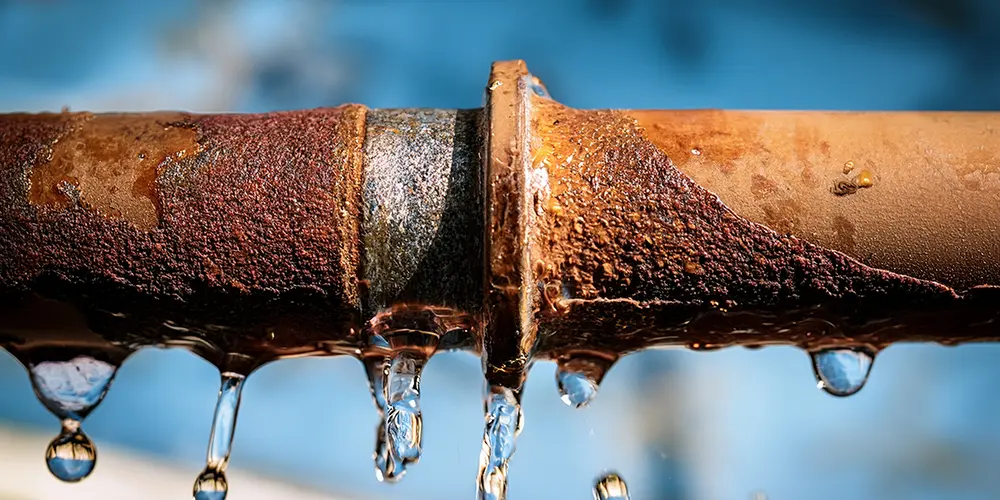
The five most common indoor plumbing problems in older California homes are corroded galvanized pipes, slow drains, hidden fixture leaks, tree root intrusion in sewer lines, and aging water heaters.
Tackling these issues early with smart DIY maintenance and timely upgrades can help prevent costly water damage, improve efficiency, and keep your home running smoothly.
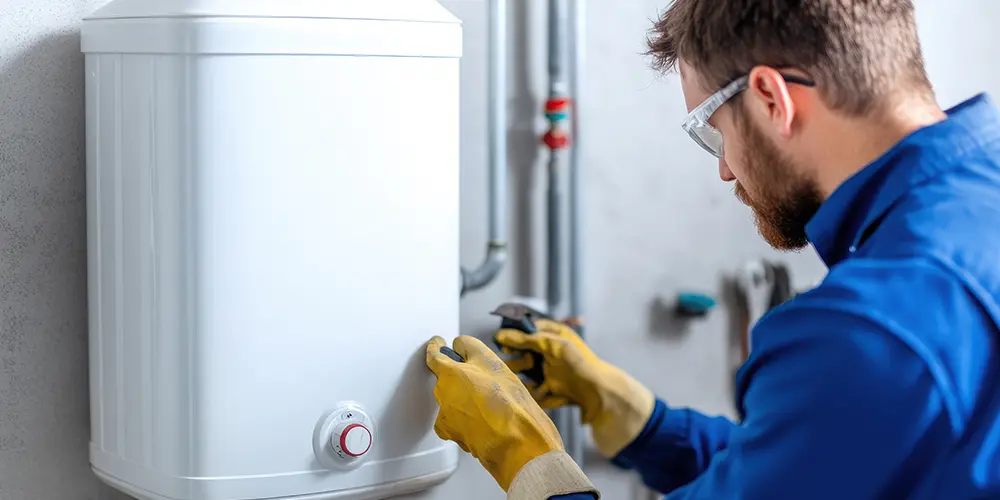
While tankless water heaters offer many advantages, they require regular maintenance to handle hard water.
Proper flushing and descaling can extend the life of your unit and keep it running efficiently.
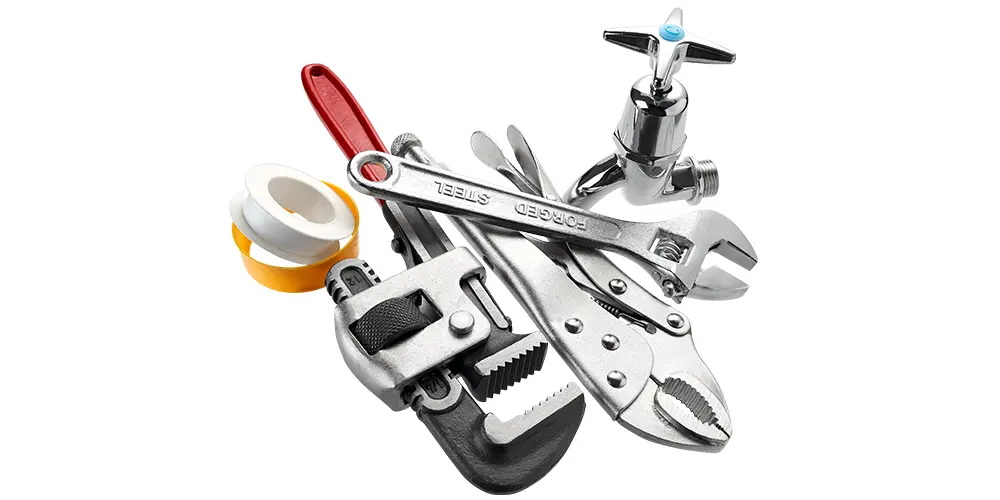
From stubborn clogs to dripping faucets, the right tools can help you tackle small problems before they turn into expensive plumbing disasters.
Best of all, you don’t need to be a professional plumber to use them.
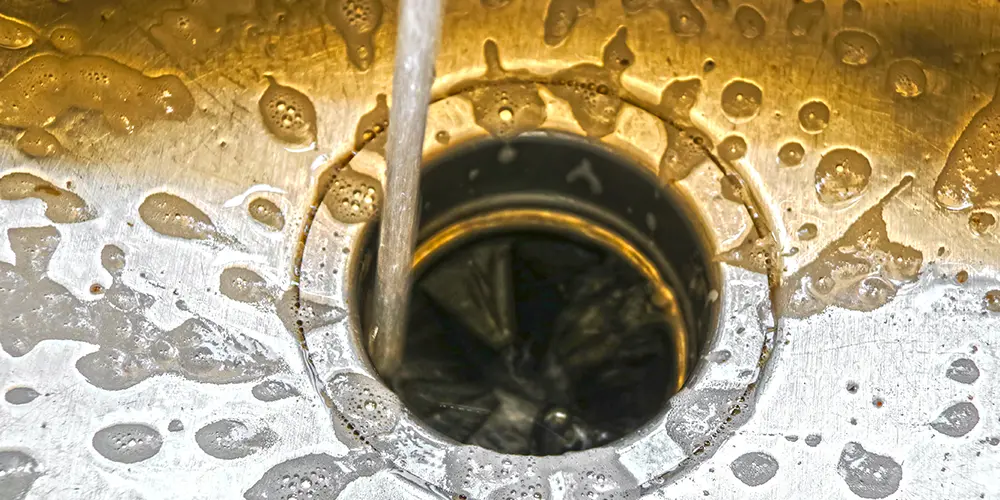
Cleaning your garbage disposal regularly helps prevent bad smells, clears minor clogs, and extends its lifespan.
Keep it in good shape with common household items like baking soda, white vinegar, ice cubes, and citrus peels
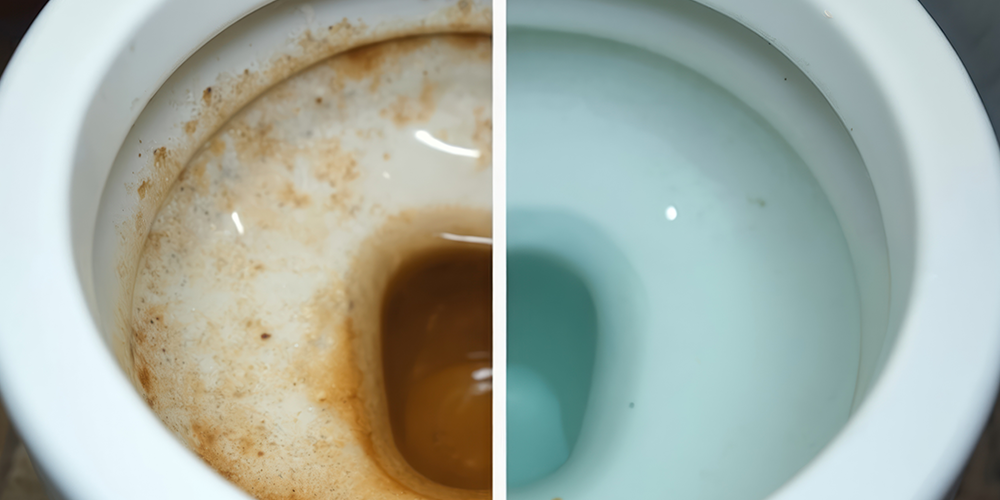
Got a stubborn toilet stain that just won’t go down without a fight?
A simple combination of white vinegar + baking soda can break down hard-water minerals like a charm.
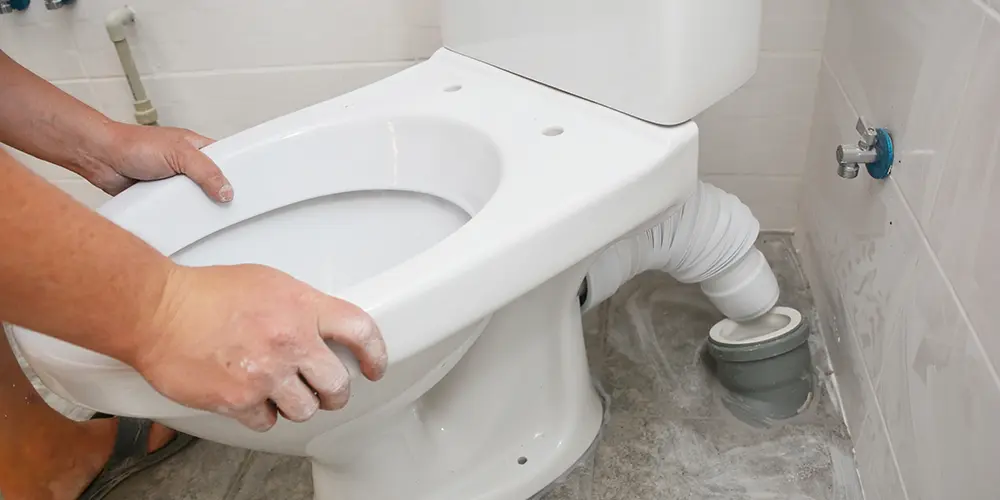
Installing a toilet is a manageable DIY home repair project that typically takes two to three hours. You’ll only need a handful of basic tools, which most homeowners already have on hand.
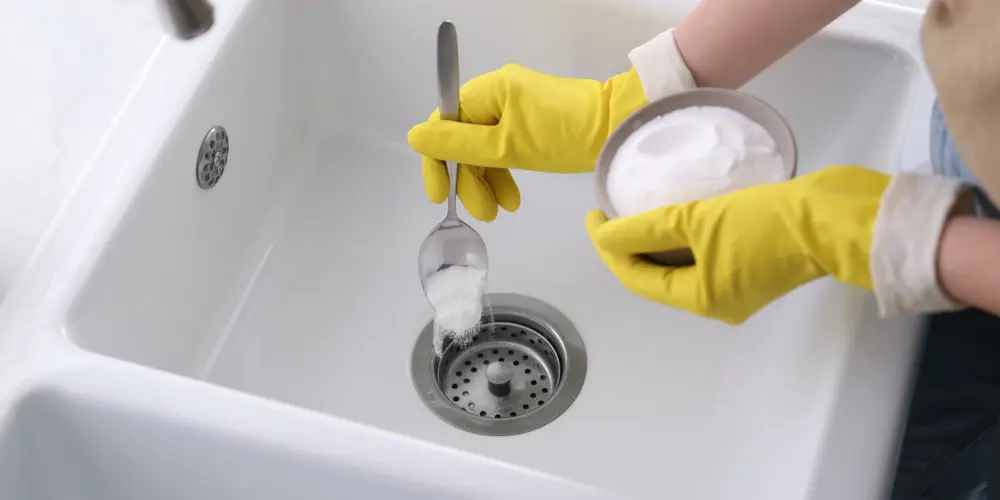
A slow-draining sink or a backed-up shower is easy to ignore in the moment. But that minor annoyance can quickly grow into a major plumbing emergency.
Neglected drains often lead to costly home repairs, ranging from water damage to full pipe replacements.
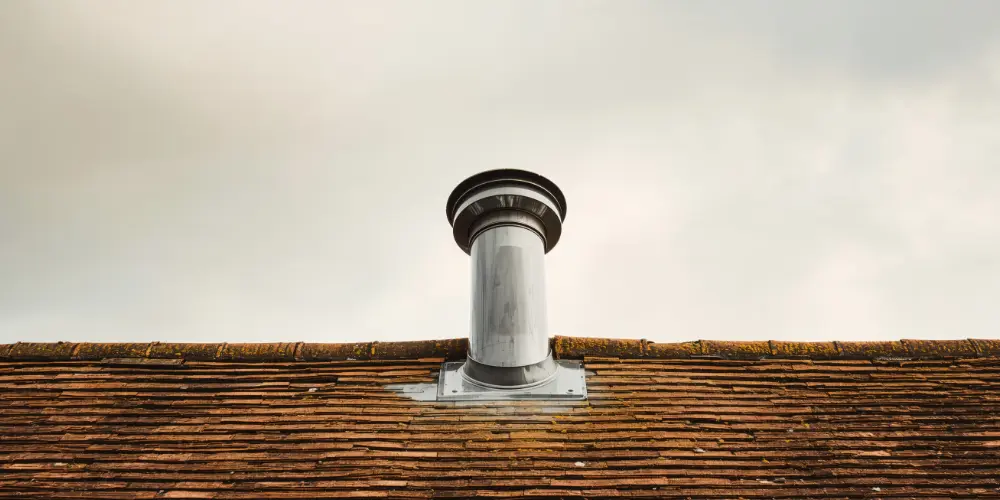
That weird gurgling noise when you flush? The inconsistent water level in the toilet bowl —sometimes too high, sometimes dangerously low?
These aren’t just quirks of an old house; they’re often signs of improper plumbing ventilation.
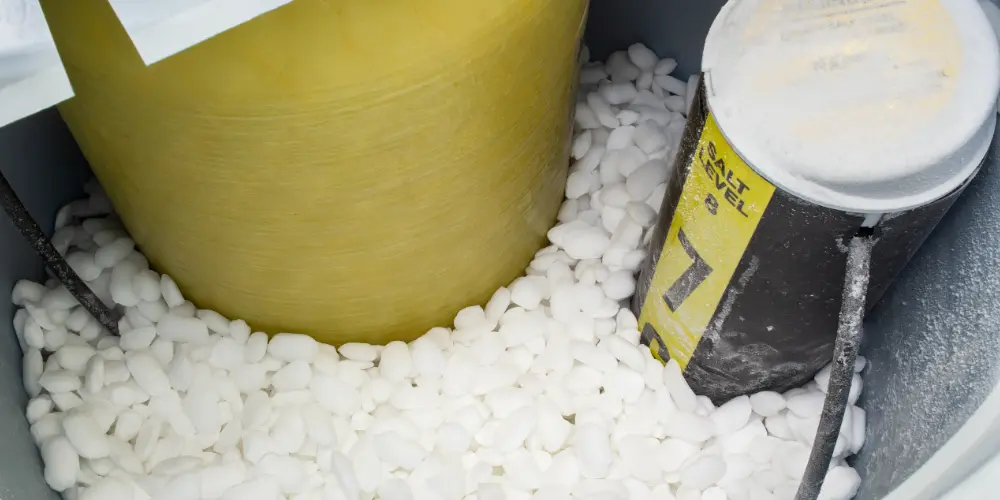
This guide breaks down the mechanical and functional differences between water filtration and water softening to help you determine which system — or combination of systems — will protect your plumbing infrastructure and improve your home’s water quality.

Fortunately, replacing a toilet tank lever is one of the easiest plumbing fixes out there — no plumber or magic wand required.
Just a few tools, 20–30 minutes, and a can-do attitude (plus maybe some gloves if you’re squeamish about tank water).
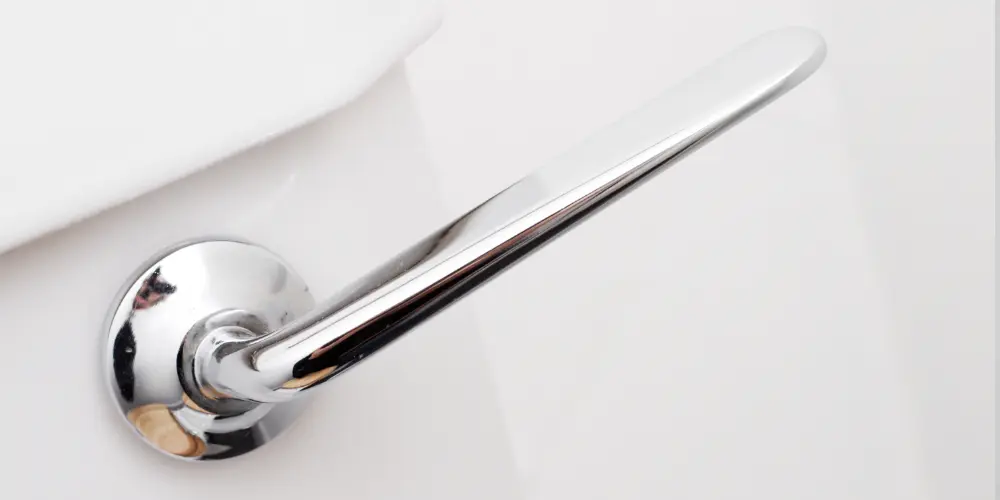
Fortunately, replacing a toilet tank lever is one of the easiest plumbing fixes out there — no plumber or magic wand required.
Just a few tools, 20–30 minutes, and a can-do attitude (plus maybe some gloves if you’re squeamish about tank water).
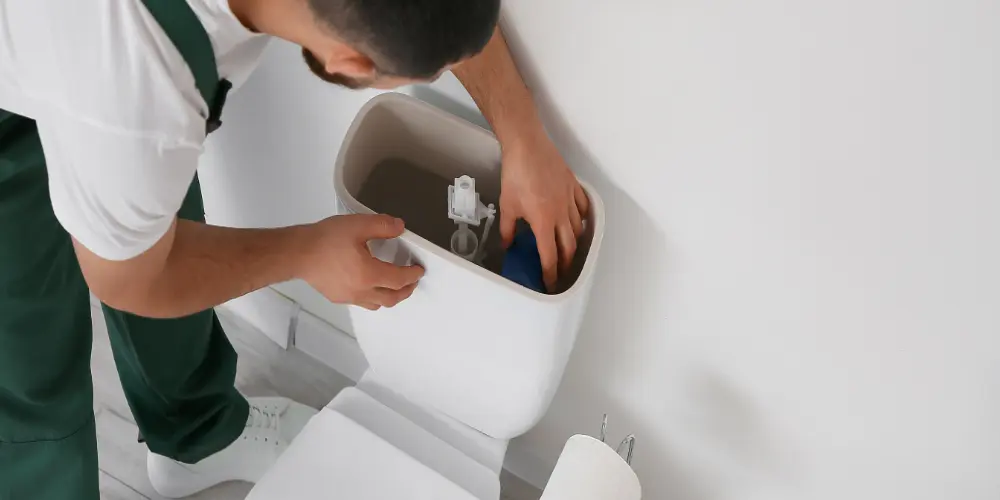
A constantly running toilet isn’t just annoying — it can waste hundreds of gallons of water every single day.
But you don’t have to live with it; adjusting your toilet fill valve is a simple DIY fix that can save you gallons of water — and maybe even some bragging rights around the house.