
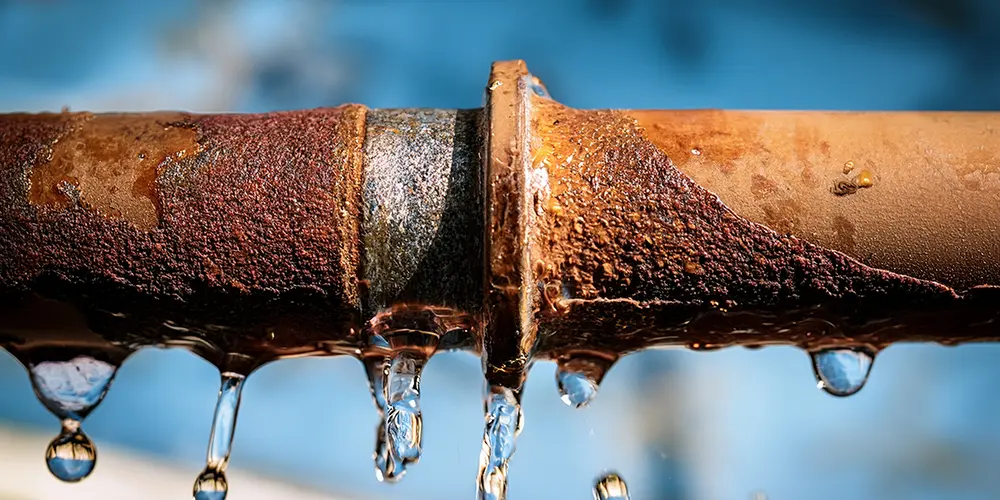
The five most common indoor plumbing problems in older California homes are corroded galvanized pipes, slow drains, hidden fixture leaks, tree root intrusion in sewer lines, and aging water heaters.
Tackling these issues early with smart DIY maintenance and timely upgrades can help prevent costly water damage, improve efficiency, and keep your home running smoothly.
What Is Lurking Behind Those Walls?
Southern California is full of charming older homes with character you simply cannot build overnight — original tilework, mature landscaping, and neighborhoods packed with history. Unfortunately, many of those homes are also hiding aging plumbing systems behind the walls.
Pipes, valves, and fixtures do not last forever. Over time, small plumbing issues can quietly turn into expensive repairs, especially after a heavy rain or seasonal temperature swings. A small drip today can become tomorrow’s “Why is my ceiling sagging?” moment.
Fortunately, you do not need to be a master plumber to stay ahead of many common problems.
With a little DIY confidence, a few basic tools, and help from your local plumbing supply store, you can handle many minor repairs before they become major headaches.
In this guide, we will cover:
- The most common plumbing issues in older California homes.
- Warning signs to watch for.
- Beginner-friendly DIY maintenance tips.
- Smart upgrade ideas that improve efficiency and sustainability.
1. Failing Galvanized Steel Pipes
Homes built before the 1990s often used galvanized steel pipes for water supply lines. Over time, the protective zinc coating wears away, allowing the steel underneath to corrode from the inside out.
That corrosion slowly narrows the pipe interior, restricting water flow and affecting water quality.
Warning Signs of Galvanized Pipe Corrosion
- Low water pressure
- Rust-colored or brown tap water
- Frequent clogs
- Uneven water flow between fixtures
According to home inspection experts, galvanized pipes typically last 40 to 50 years. If your home falls into that age range, your plumbing may already be on borrowed time.
What You Can Do
- Inspect exposed pipes under sinks, in garages, and in crawl spaces for rust spots and mineral buildup.
- Replace accessible sections with modern materials like:
- PEX tubing — affordable, flexible, and DIY-friendly.
- Copper piping — durable and naturally antimicrobial, though more expensive and requiring soldering or brazing.
- Visit a local plumbing supply shop for help matching fittings and adapters. A helpful team member behind the counter can sometimes save you three extra trips to the hardware store. That alone is worth the visit.
2. Slow-Draining Sinks and Tubs
Slow drains are practically a given in older homes. Years of soap residue, grease, hair, and mineral deposits gradually narrow the inside of drainpipes, especially older cast-iron lines.
Instead of one dramatic clog, the drain simply slows down until your shower starts feeling suspiciously like a foot bath.
How to Clear a Slow Drain Safely
- Skip chemical drain cleaners. Many liquid drain cleaners create heat that can damage aging pipes or corrode older metal plumbing.
- Use a manual drain snake. A hand-crank drain auger is inexpensive, reusable, and far more effective for stubborn buildup.
- Clean the P-trap. To clean the curved pipe beneath your sink:
- Place a bucket underneath.
- Unscrew the slip nuts.
- Remove the trap carefully.
- Clear debris and rinse thoroughly.
- Reassemble and test for leaks.
It is not glamorous work, but neither is paying for an emergency plumbing visit on a holiday weekend.
3. Outdated Plumbing Fixtures
Older shutoff valves, supply lines, and faucet components eventually wear out. Southern California’s dry climate can also cause rubber seals and gaskets to crack over time.
These small failures often create hidden leaks inside cabinets or walls.
According to the Environmental Protection Agency (EPA), a faucet dripping once per second can waste nearly 3,000 gallons of water each year. That is a lot of water, and a surprisingly expensive drip.
Easy Fixture Upgrades
- Replace old angle stops with modern quarter-turn shutoff valves.
- Upgrade supply lines to stainless-steel braided hoses for greater durability.
- Install WaterSense-labeled fixtures to reduce water use without sacrificing performance.
- Add low-flow aerators to existing faucets for a quick efficiency boost.
Small plumbing upgrades can noticeably lower water bills over time while helping prevent hidden water damage.
4. Tree Root Intrusion in Sewer Lines
In dry climates like Southern California, tree roots aggressively search for moisture underground. Older clay and cast-iron sewer lines are especially vulnerable to cracks and shifting. Once roots find a tiny opening, they move in fast.
Common Warning Signs
- Frequent drain backups
- Gurgling toilets
- Sewage odors
- Water backing up into tubs or showers
How to Handle Root Intrusion
- Schedule a sewer camera inspection. A plumbing camera inspection identifies the exact location and severity of the problem.
- Use foaming root treatments. For smaller intrusions, foaming root killers containing copper sulfate can help eliminate roots without damaging the tree itself.
- Consider trenchless sewer repair. If the pipe is badly damaged, trenchless sewer lining can restore the line without tearing up your landscaping or driveway. The upfront cost may be higher, but many homeowners gladly choose it over turning their yard into an excavation site.
5. Aging Water Heaters
Traditional tank water heaters generally last 10 to 15 years. Over time, sediment from hard water settles at the bottom of the tank, forcing the system to work harder to heat water.
That buildup reduces efficiency, increases utility costs, and raises the risk of leaks or tank failure.
Simple Water Heater Maintenance Tips
- Flush the tank annually. This simple maintenance step can significantly extend your water heater’s lifespan.
To flush sediment:
- Turn off the gas or electricity.
- Attach a garden hose to the drain valve.
- Run the hose outside.
- Drain the tank completely.
- Briefly turn the cold water supply back on to stir up the remaining sediment.
- Check the anode rod. Replace the sacrificial anode rod every 3 to 5 years to help prevent internal rusting.
- Consider going tankless. If your water heater is over 12 years old, it may be worth upgrading to a tankless model. Benefits include:
- Endless hot water
- Better energy efficiency
- Smaller footprint
- Lower long-term operating costs
Keep Your Older Home Running Smoothly
Maintaining an older home takes effort, but staying ahead of plumbing problems can save thousands in future repairs.
Start with the basics:
- Inspect exposed pipes regularly.
- Flush your water heater annually.
- Locate your main water shutoff valve.
- Replace aging valves and supply lines before they fail.
A few preventative projects each year can make your home more reliable, energy-efficient, and sustainable while helping you avoid surprise plumbing emergencies.
And there’s something satisfying about fixing a small plumbing issue yourself before it becomes a disaster.
FAQs: Plumbing Problems in Older Homes
Q: How do I know if my home has galvanized pipes?
Look for dull gray metal pipes with threaded fittings, often found in garages, basements, crawl spaces, or under sinks. Rust-colored water and low pressure are also common warning signs.
Q: Is PEX better than copper plumbing?
Both are reliable options. PEX is less expensive, more flexible, and easier to install yourself, while copper is extremely durable and resistant to bacterial growth. Your budget and installation know-how usually determine the best choice.
Q: Why should you avoid chemical drain cleaners in older homes?
Many chemical cleaners create heat and corrosion that can weaken aging pipes, especially older metal or PVC plumbing systems. Mechanical cleaning methods are typically safer and more effective.
Q: How often should I flush my water heater?
Most homeowners should flush their water heater once per year. Homes with hard water may benefit from flushing every six months to reduce sediment buildup.
Q: What are the signs of a hidden plumbing leak?
Watch for musty smells, warped cabinets or flooring, unusually high water bills, peeling paint, and mold or mildew growth. Even small leaks can cause major damage over time.
Q: When should I call a professional plumber instead of attempting repairs myself?
Call a licensed plumber if you experience sewage backups, burst pipes, major leaks inside the walls, persistent low water pressure, water heater gas issues, or large-scale repiping needs. Professional help is also a smart idea if you are unsure about local plumbing codes or need specialized equipment, such as sewer cameras or hydro-jetting tools. Some repairs are simply safer and less expensive in the long run when handled by an expert.
Q: What is the main water shutoff valve, and why is it important?
The main shutoff valve controls water flow into your entire home. Knowing its location lets you quickly shut off water during a plumbing emergency and potentially prevent severe water damage.
Q: Is it a good idea to install a smart leak detector in an older home?
Yes. Smart leak detectors are especially useful in older homes where aging pipes, worn valves, and hidden fixture leaks are more common. Many leak monitors can alert you through a mobile app if they detect unusual water flow or moisture under sinks, near water heaters, or behind appliances.
Some advanced systems can even shut off your home’s water automatically if a major leak occurs. Installing a leak monitor is a relatively affordable upgrade that can help prevent expensive water damage and reduce water waste.